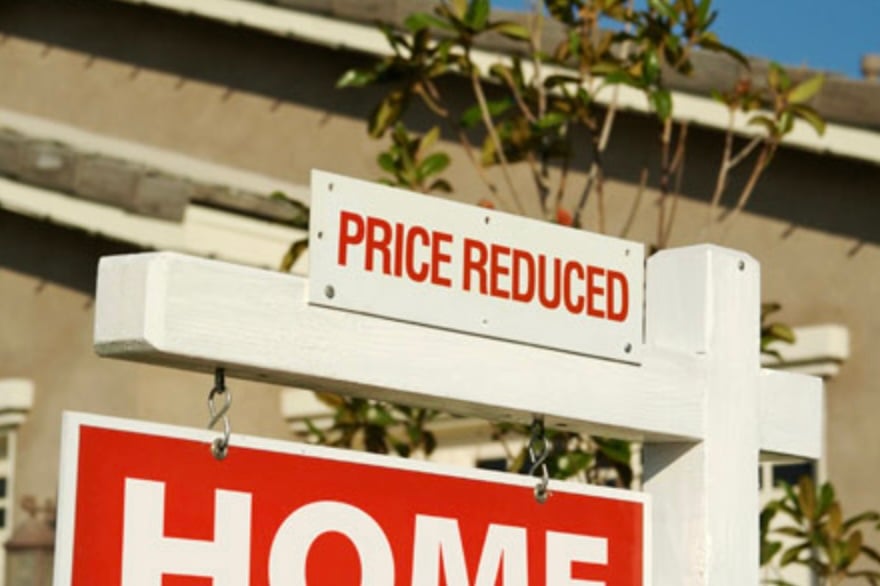
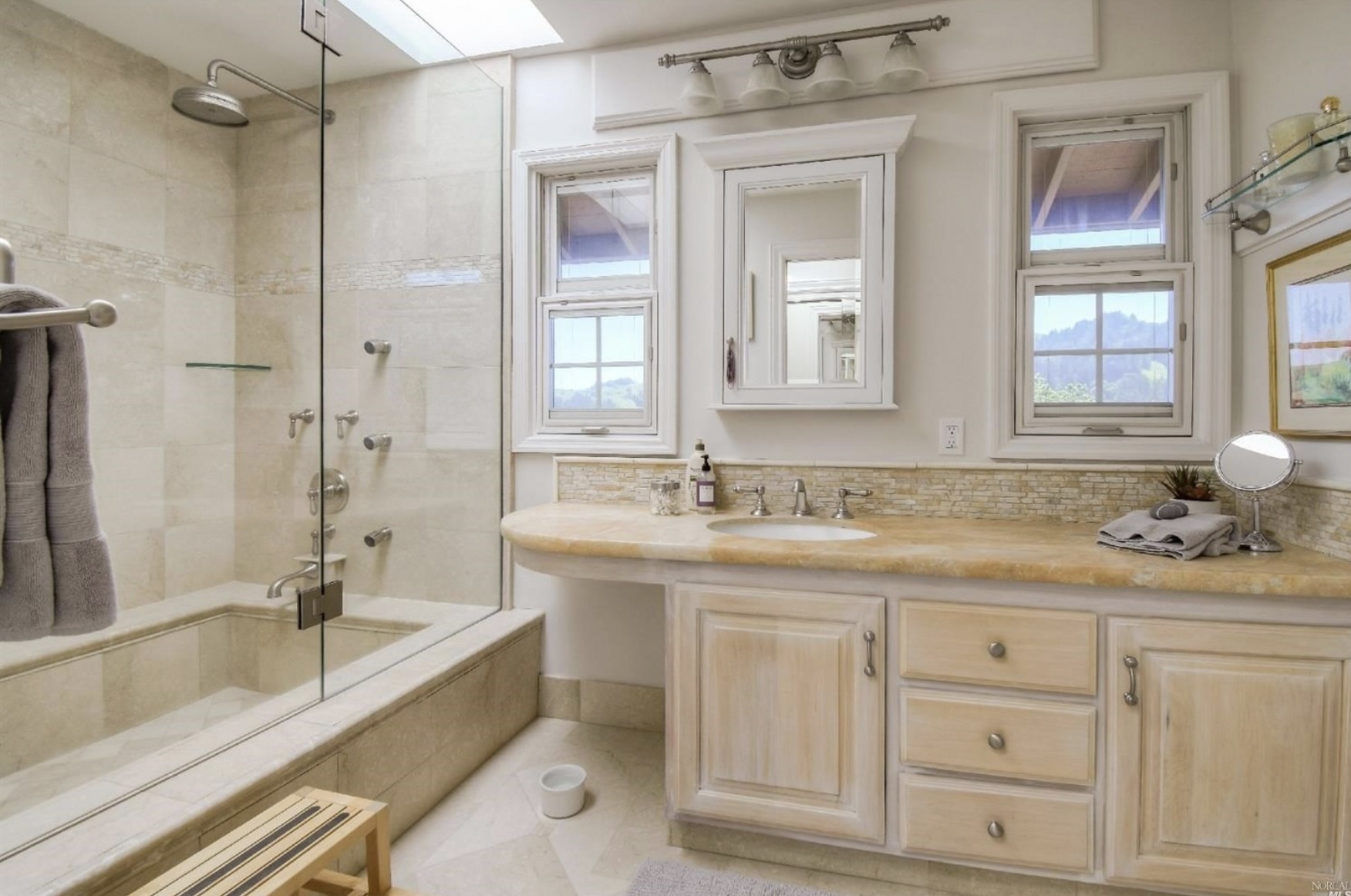
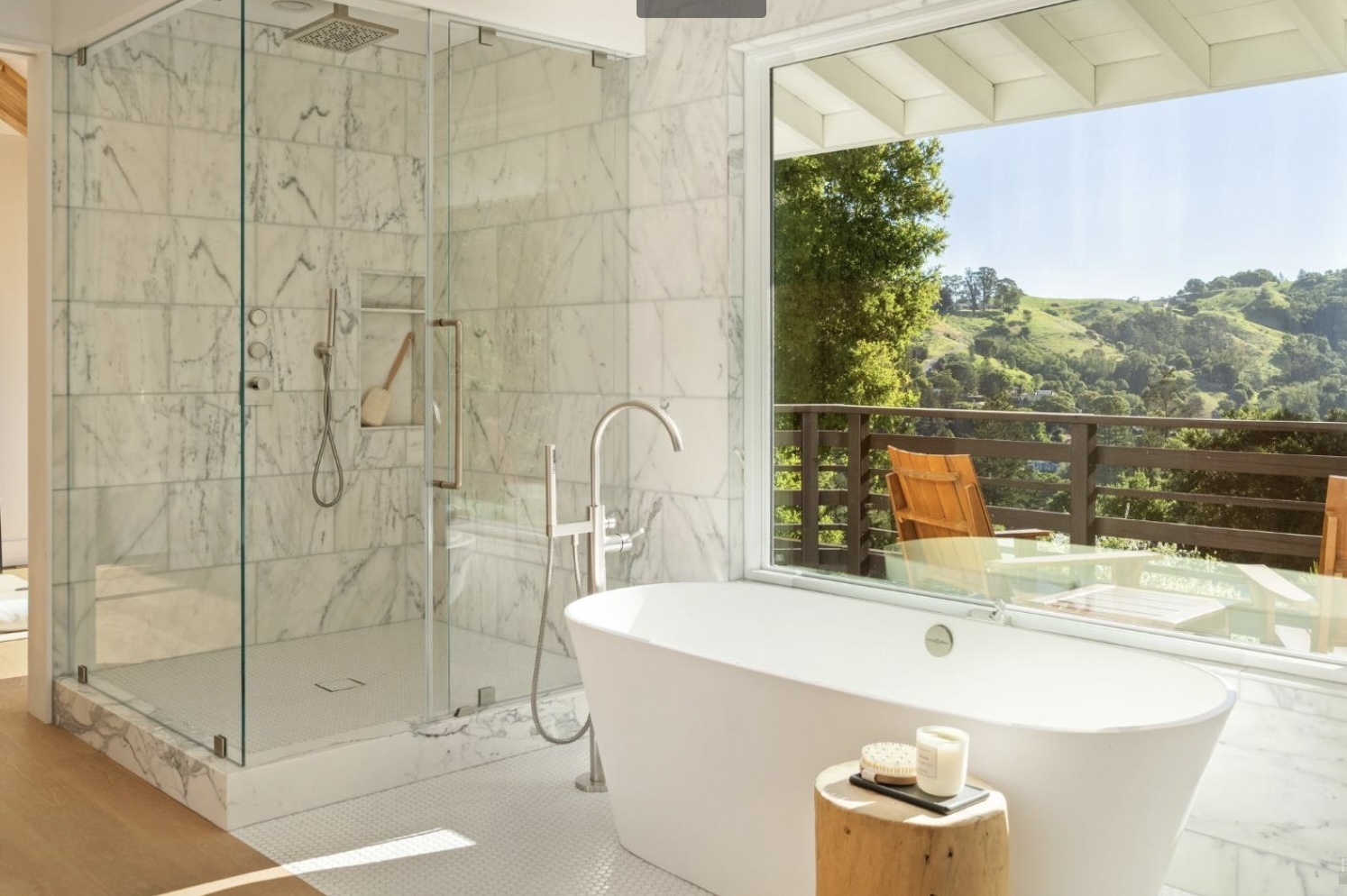
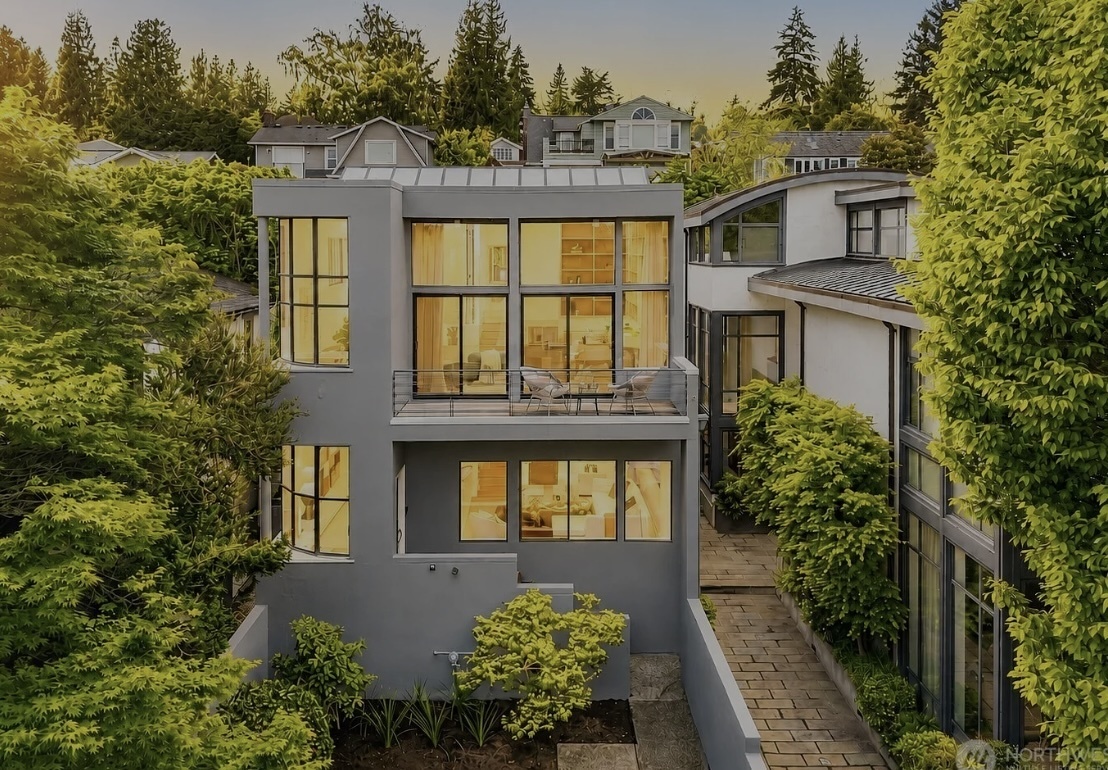
 A current listing in Madison Park Seattle similar to the home sold in 2016 A current listing in Madison Park Seattle similar to the home sold in 2016
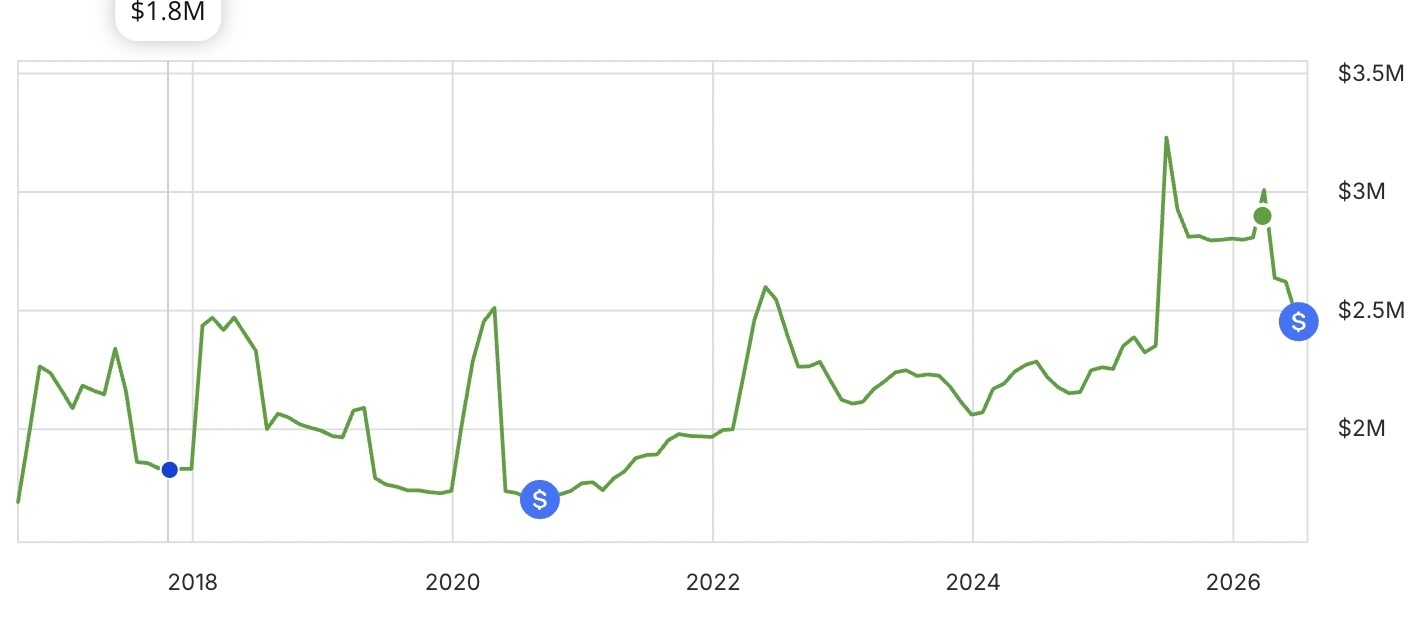
For instance, in 2018 I listed an unusually large home in Woodacre. Before we listed, the Zestimate was over $2.5M – wildly inflated in my view. The day after the listing went public at $1.8M, the Zestimate was updated to… 🥁….$1.8M. Several months later we closed at $1.7M. Clearly there were no buyers willing to pay over $2.5M at that time. Interestingly the same property was listed again this year at over $3.7M, and eventually closed under $2.5M. Perhaps the lsiting agent relied too heavily on the Zestimate 🤣. You can see the Zestimate graph for this property above to illustrate the point. AVMs know the Data. They Don’t Know the House In very basic terms, Zillow looks at the price you paid for your home and then looks at what it believes are local comparable sales. That's useful information, but it's only part of the story. Zillow is blind to is any updates you have done to your home. Moreover, what an AVM believes is a comparable sale might be a property that has very different characteristics to your home. |
|
|
The same bathroom with major improvements executed between listings. |
|
|
AVMs Don’t Understand Hyper-Local Markets In Marin County, values can change dramatically within a few blocks. One home might be on a flat lot, a nearby neighbor might be on a steeply sloping lot with no yard. One side of the street faces south and gets great light, while the other side is shaded by a hill. One side of a street may be assigned to a highly sought-after school. A property backing to open space often commands a premium over an otherwise identical home facing a busy road. Even within towns like San Anselmo, Mill Valley, Ross, Kentfield, Fairfax, or San Rafael, pricing can vary significantly based on micro-neighborhoods that algorithms struggle to interpret. Experienced local agents understand these differences because they influence what buyers are actually willing to pay. |
|
|
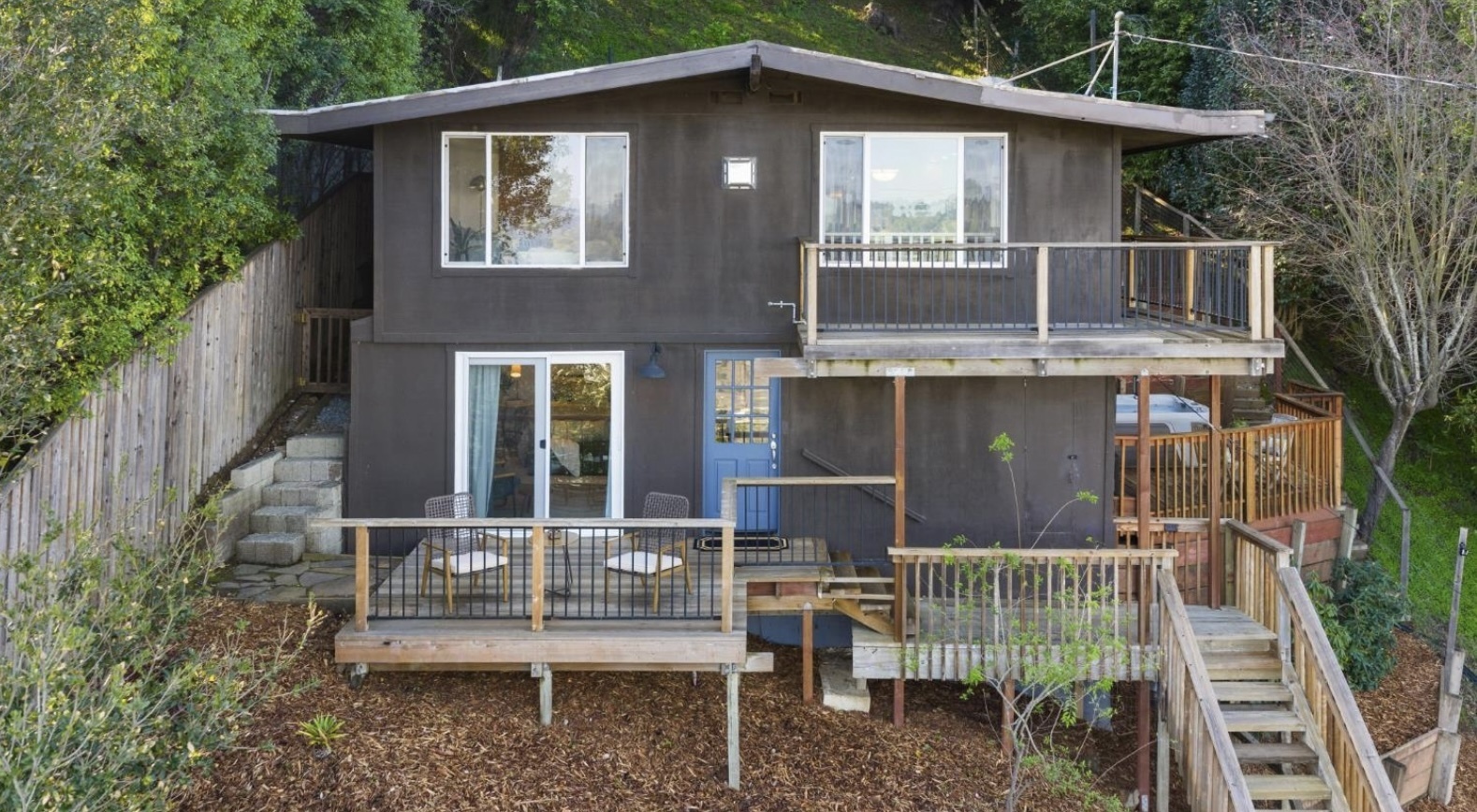
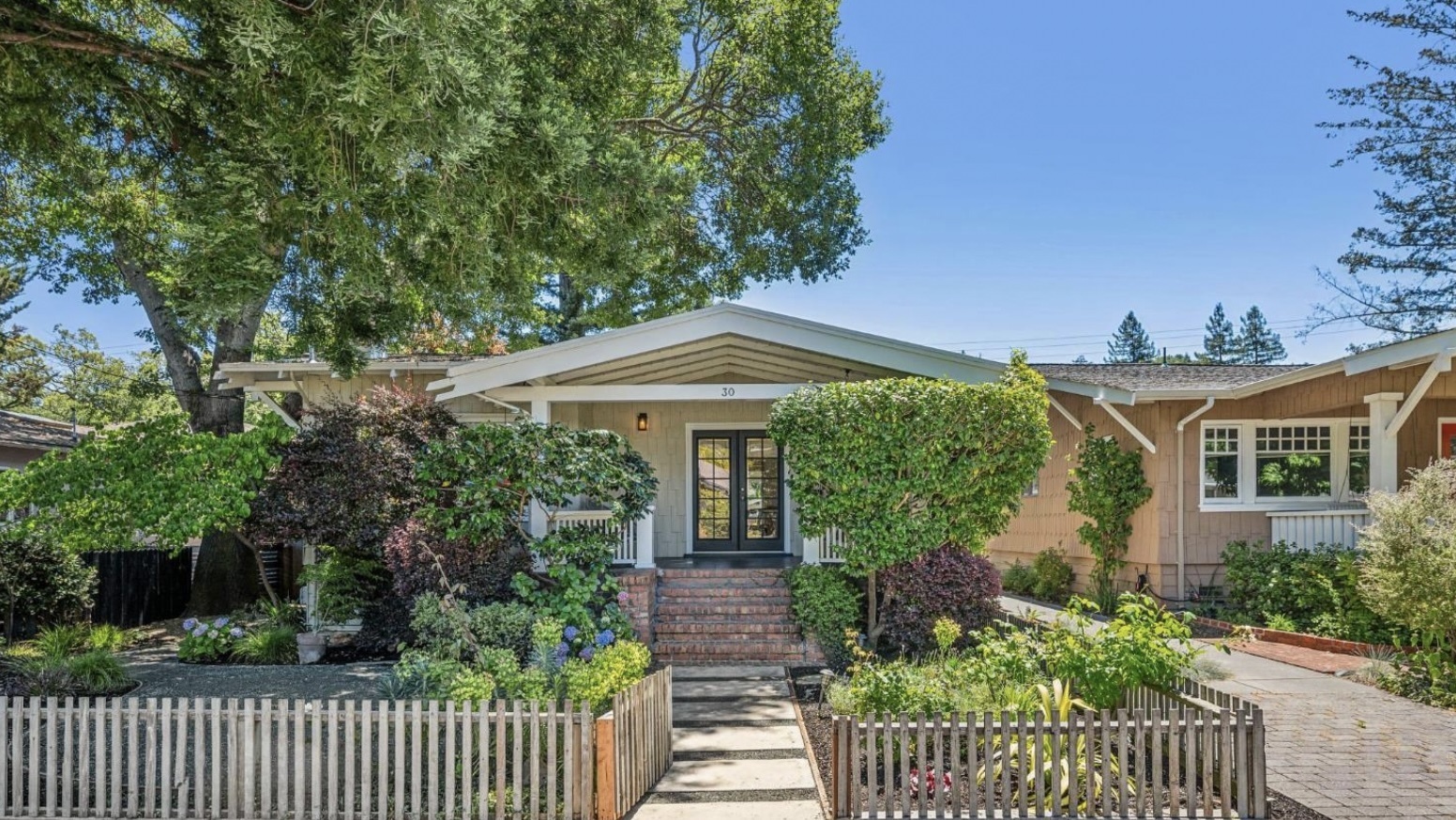
Similar sized homes in San Anselmo recently sold for $1,125,000 and $2,300,000. One was a hillside home, the other in the flats. |
|
|
The Market Changes Faster Than Algorithms An experienced Realtor is evaluating what's happening today—not simply what sold several months ago. AVMs rely on closed sales. Local realtors know what’s in contract, how quickly it sold and often how many offers the property received and likely close price. Because of collaborative networking, we know before the AVM does. |
|
|
Zillow Can't See Buyer Psychology One of the biggest factors influencing value isn't the property itself. It's buyer competition. When multiple buyers fall in love with the same home, the sale price often exceeds what historical data alone would predict. When I have clients interested in submitting an offer for a “hot” property, they often ask me what I think it will sell for. I will tell them what I think a reasonable and likely price will be, but I caution that it’s impossible to know what’s in the hearts, minds and wallets of other buyers who may be bidding. In extreme examples we’ve seen highly motivated and affluent buyers pay what seems to be an crazy price because for personal reasons a property has more value to them than it does to the market. Likewise, a home that's overpriced or poorly presented may sell below its true potential. As knowledgeable agents we can spot the outliers, and adjust our estimates accordingly. An algorithm might detect something unexpected, but is too logical to understand human's sometimes strange behavior. |
|
|
So why would I send you updated AVMs each quarter when they may not accurately reflect what your home is really worth? These estimates can offer a very rough starting point - to be transparent, I almost always look at them before estimating a value. Partly to see whether I agree, but also to get an idea of what a homeowner might be thinking. Where the real value lies in these estimates is the trend you’ll see in the value. Typically, they go up and down reflecting seasonal changes. Homes in Marin generally sell for more in the Spring, and your Zestimate likely reflects that with your home value looking lower in December than May. That said, over time an accurate picture of likely value emerges, and knowing what Zillow can't see -like the renovations you've made - you may even be able to make your own adjustments. Ultimately these estimates should never be treated as a definitive valuation of one of your largest financial assets, but are a pretty good reflection of the overall market in your neighborhood. |
|
|
Curious What Your Home Is Really Worth? If you're thinking about selling—or simply want an accurate understanding of your home's value—a professional market analysis provides a far more reliable picture than an automated estimate. Every neighborhood has its own market. And every buyer values different features. A local expert can interpret. That difference can be worth far more than most homeowners realize. Just reply to this e-mail & I'll be happy to help. Or just |
|
|
|