Leave a Message

Thank you for your message. We will be in touch with you shortly.

Capital Gains Tax Relief For Home Sellers Has Bipartisan Support!

September 28, 2026

Capital Gains Tax Relief For Home Sellers Has Bipartisan Support!

Housing Shortage

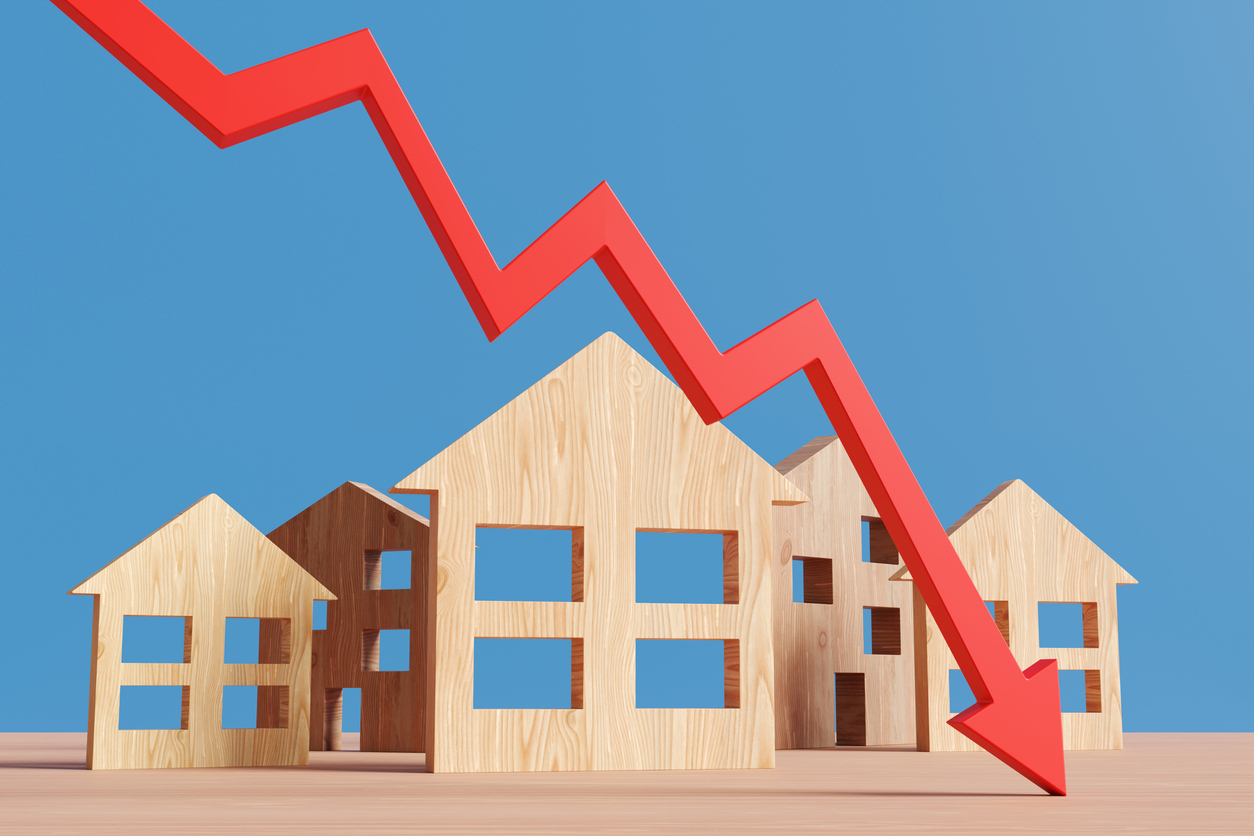
Throughout the country we are experiencing a years long shortage of homes available for sale.

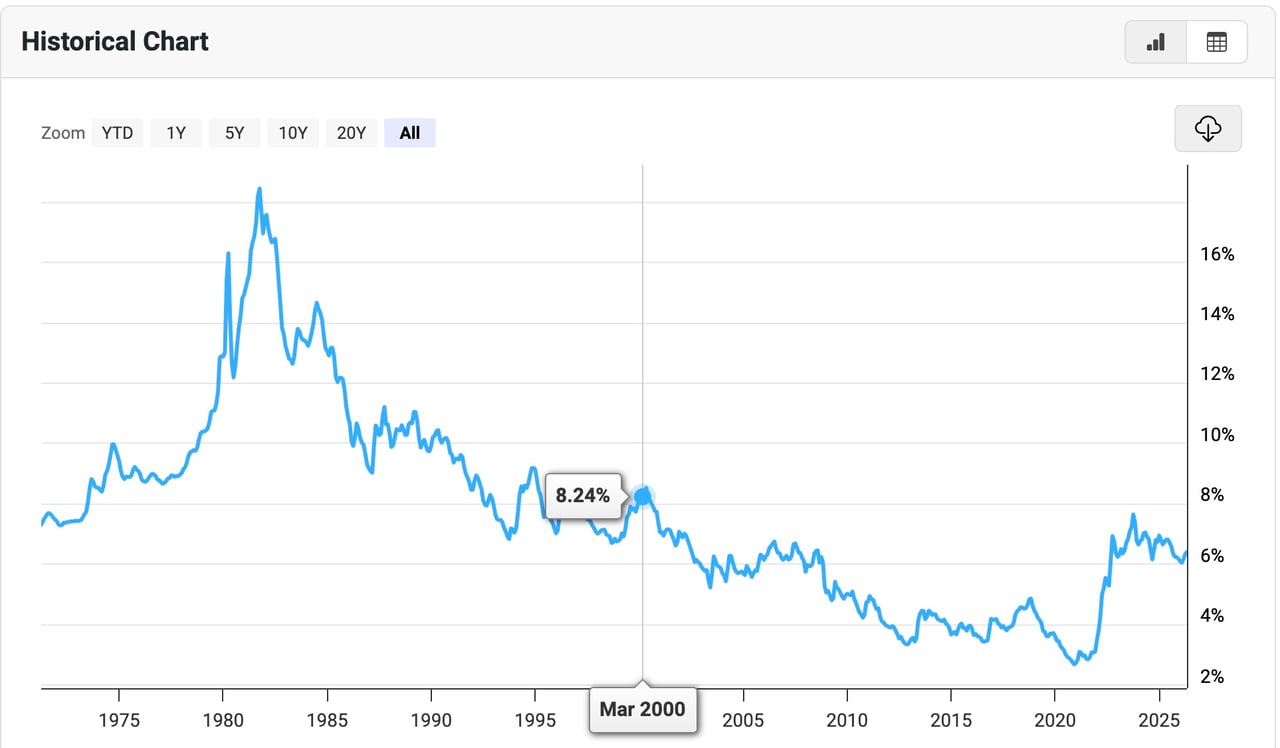
Since mortgage rates began rising in 2022, many owners have chosen not to give up their ultra-low mortgages, and the supply of homes for sale has remained unusually restricted. Nationally, existing-home sales fell to their lowest level since 1995 in 2023, 2024 and again in 2025 — not because nobody wanted to buy, but in large part because so few owners were willing to sell.

The shortage is particularly apparent in Marin: in July, there were approximately 445 homes for sale across the entire county, 25% fewer than a year earlier, representing just 1.7 months of inventory.

In Marin there are plenty of reasons Marin homeowners decide not to sell. They may have a 3% mortgage they don’t want to give up (known as the lock-in effect). They may be reluctant to exchange their Proposition 13 property-tax assessment for a much larger bill (although prop 19 does provide some relief here). Or perhaps the thought of sorting through 30 years of accumulated possessions is simply too exhausting!

Moreover, Marin is such an awesome place to live, moving isn’t necessarily appealing.

But for an increasing number of longtime homeowners, there is another obstacle: Capital Gains Tax. But there is relief in sight…..
A bipartisan proposal gaining momentum in Congress—the More Homes on the Market Act—could substantially reduce that obstacle. If it becomes law, it could encourage some longtime homeowners to sell, increase the supply of homes available to buyers and make it easier for older owners to downsize.

In Marin, where even fairly modest homes can have seven-figure values, its impact could be particularly significant.

What is the current capital gains exclusion?
(Note - This article is intended for general information only and should not be considered tax or legal advice.)

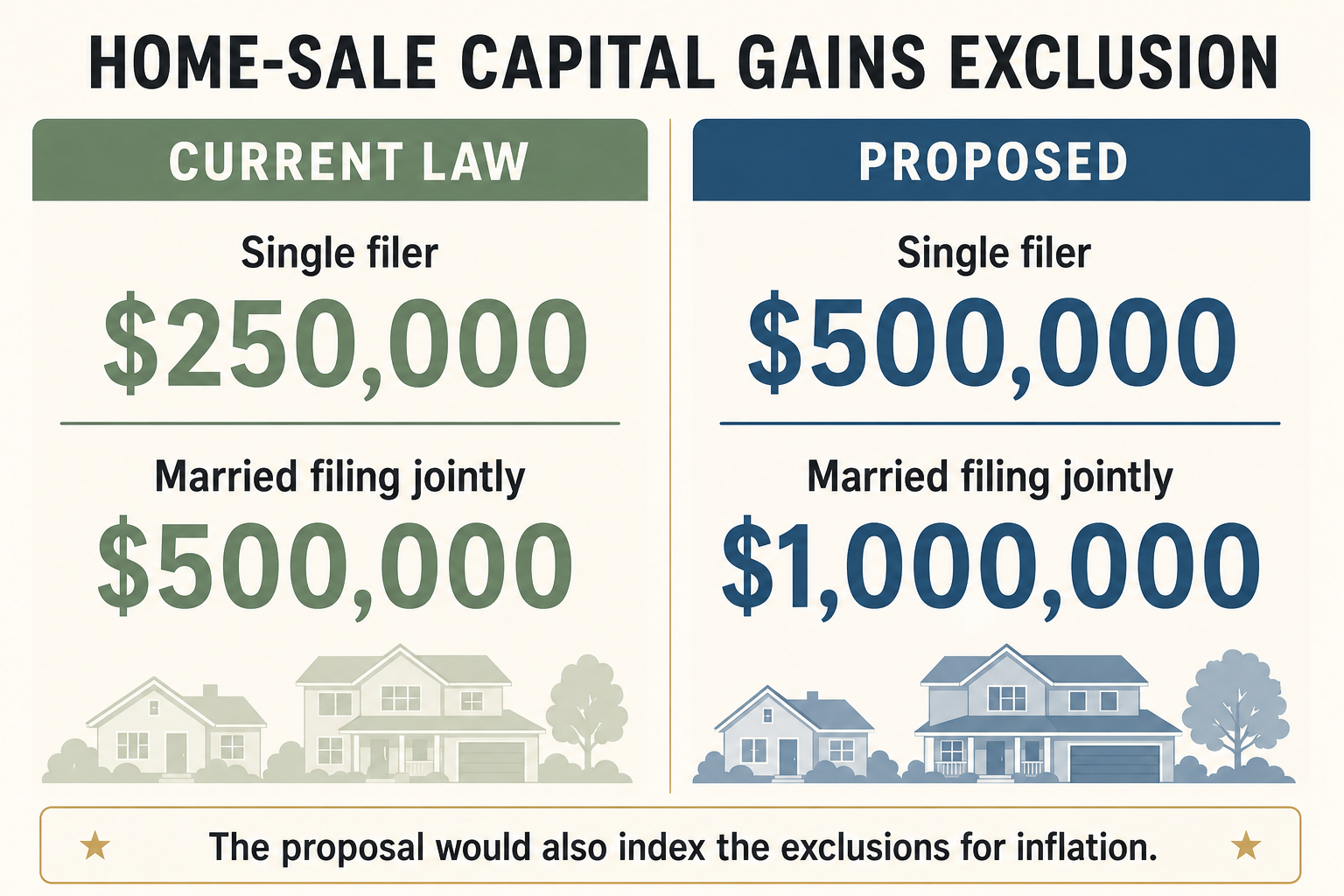
If you sell a qualifying primary residence, current law generally allows you to exclude up to:

• $250,000 of gain if you are single
• $500,000 if you are married and filing jointly

As long as you have owned and occupied the property as your primary residence for at least two of the five years preceding the sale.

These limits were established in 1997 and have never been adjusted for inflation.

That was almost 30 years ago—when the median price of a Marin single-family home was a fraction of what it is today. At the time it only affected the luxury market, but today an estimated 25 - 30% of California homeowners would owe capital gains tax if they sold their homes, and that percentage is likely to be higher in high value areas like Marin.

Imagine a couple who moved to Marin to raise a family in the 1990’s when they could have purchased a 4 bedroom home for $350,000. Now empty nesters, it would make sense to downsize, but if they sold even after adding qualifying improvements and selling expenses to their cost basis, they may have a substantial taxable gain above the $500,000 exclusion.

Everyone’s tax situation will be different, but this couple could realistically expect to pay about $200,000 in CGT if they sold their home for $1,800,000. If the bill passed, they might only expect to pay about $50,000 – still a substantial sum, but easier to swallow in the course of a transaction and life change of this magnitude.

This doesn’t necessarily mean homeowners can’t afford to sell. It means the tax consequences can make remaining in the home—or eventually leaving it to their heirs—the more financially attractive option. A tax bill in the 6 figures is a strong disincentive to selling for many older homeowners.

From a housing-policy perspective, that is a problem. A tax rule written in 1997 is helping keep homes off the market in 2026.

How would the MHOTM Act Change this?

The legislation would double the exclusions to:

• $500,000 for a single filer
• $1 million for a married couple filing jointly

Importantly, it would also index the limits for inflation in the future, so we don’t find ourselves having exactly the same discussion another 30 years from now.

The House proposal, H.R. 1340, was introduced by California Democrat Jimmy Panetta and Pennsylvania Republican Mike Kelly. A very similar Senate version was subsequently introduced by Republican Senator John Cornyn and Democrat Michael Bennet.
As of August 2026, the legislation has attracted support from approximately 151 House members and 23 Senators from both parties. It is also backed by both the National Association of Realtors and AARP.

In today’s Washington, getting that many Republicans and Democrats to agree on anything is noteworthy!

Would it really put more homes on the market?

Almost certainly—but we shouldn’t exaggerate its impact.

As a member of the Marin Association of Realtors Government Affairs Committee (we advise our membership on legislative issues), we have been advised that passage of the bill would lead to 6000 more homes being listed in Marin – that is about 2 years worth of listings. I believe this estimate might be a tad high, but if spread over 10 years it could be credible.

There are approximately 65,000 owner occupied homes in Marin and in some areas, as many as 30% of these homes were purchased more than 30 years ago. If only 1/3rd of these homeowners were motivated by the tax changes to sell over the next ten years, it would add 600 listing per year bringing listing levels back top pre-covids levels.

The legislation would not suddenly produce thousands of inexpensive homes. Nor would every longtime owner decide to sell the moment the President signed the bill.

Nevertheless, removing one substantial financial barrier should encourage additional sales. Academic research has previously found that capital gains taxes reduce the rate at which homeowners sell, so it is reasonable to expect that reducing the tax would produce more transactions.

The effect could also ripple through the market.

A longtime owner sells a larger home and moves to a smaller condominium. The condominium owner moves to a retirement community. A growing family buys the larger home, and their smaller starter home becomes available to a first-time buyer.
Housing markets operate through these chains of transactions. Freeing up one property can create opportunities at several price points.

More Impact in Marin than Elsewhere

California has the highest proportion of sellers in the country recording gains of more than $500,000. Recent research found that approximately one in four California sellers now crosses that threshold, and likely the percentage in Marin is considerably higher.
Our high property values are only part of the explanation. Marin also has one of the lowest turnover rates in the country – once here, people generally don’t want to leave.

The present exclusion increasingly treats decades of inflation and normal home appreciation as though they were extraordinary investment profits.

The largest impact would probably be an increase in the number of long-held homes coming to market—not a dramatic decline in prices. Marin would still have limited land, restrictive development patterns and strong buyer demand. But buyers might get more choice.

How likely is the bill to pass?

There are reasons for optimism.

The bill has unusually broad bipartisan sponsorship. Housing affordability is a major political issue, and the proposal appeals to both parties: Democrats can present it as a way to increase housing supply, while Republicans can support it as a reduction in taxes.
Recent bipartisan action on other housing legislation also demonstrates that Congress is capable of reaching agreement on housing policy.

But sponsorship is not the same as passage.

As of August 2026, the House bill remains with the House Ways and Means Committee, while the Senate version is with the Senate Finance Committee. Neither version has yet received a committee vote, much less passed its chamber.

The greatest obstacle is its cost. Reducing capital gains taxes would reduce federal revenue, and estimates of the ten-year cost run into tens of billions of dollars. Meanwhile the Federal Debt recently passed the $40 Trillion mark (this raises concerns in the bond market, which indirectly leads to higher interest rates negatively impacting housing affordability). Congress would need to accept that loss, offset it elsewhere or include the proposal in a larger tax package.

Even so, my assessment is that the bill has a credible chance of eventually becoming law, but passage during 2026 remains uncertain.

The most realistic route may be inclusion in a broader year-end tax or housing package rather than passage as a stand-alone bill. Congress returns from its August recess in September, but the midterm elections will leave relatively little time for major legislation.

If the bill does not pass before the current Congress ends on January 3, 2027, it will expire and need to be reintroduced. Its bipartisan support would make reintroduction likely, but that would push the timeline into 2027 or beyond.

In short: there is genuine momentum, but I would not make an irreversible financial decision based on the assumption that passage is imminent.

What should you do if capital gains tax is holding you back from selling?

First, don’t calculate your gain by simply subtracting your original purchase price from today’s estimated sale price.

Your taxable gain may be reduced by:

• Certain purchase and sale expenses
• Capital improvements made during your ownership
• Additions, remodeling and major system upgrades
• In some cases, an adjustment to the property’s basis following the death of a spouse
• The existing primary-residence exclusion

Routine repairs and maintenance generally don’t increase your basis, but many major improvements do.

If you think you might sell within the next few years, now is a good time to:

1. Speak with a CPA or qualified tax adviser. Ask them to calculate the likely tax under current law and under the proposed exclusions.
2. Start reconstructing your cost basis. Find closing statements, invoices, permits, contracts, bank records and photographs documenting major improvements.
3. Obtain a realistic estimate of your home’s current value and likely selling expenses. An online estimate is not sufficiently precise for this type of planning.
4. Consider your alternatives. Downsizing, renting, moving closer to family or remaining in the home all have different financial and personal consequences.
5. Prepare without committing. You can organize records, complete deferred maintenance and discuss a selling strategy without placing the home on the market.
6. Watch the effective-date language. Even if Congress passes the bill, the final law will determine which sales qualify. Don’t assume that a bill signed after your closing will apply retroactively.

There is also a potential complication: waiting has a cost.

If the bill takes several years to pass—or never passes—you may postpone a move that would otherwise improve your life. Home prices, mortgage rates, tax laws and personal circumstances can all change in the meantime.

The sensible approach is to understand the numbers under current law, follow the legislation and build enough flexibility into your plan that you can act when the circumstances are right.

The Bottom Line

The More Homes on the Market Act is one of the more practical housing proposals currently before Congress.

It doesn’t require years of construction, changes to local zoning or billions of dollars in housing subsidies. It simply updates a tax provision that has been frozen since 1997. However it is far from revenue neutral.

It would not solve the national housing shortage, and it certainly would not solve Marin’s. But it could remove an increasingly important barrier that prevents longtime owners from selling homes they no longer need or want.

For homeowners, the potential savings could be substantial. For buyers, it could mean more homes to choose from. And for the housing market, it could help restore some of the movement that has been missing in recent years.

If capital gains tax is influencing your decision about whether to sell, I would be happy to help you assess the real-estate side of the equation. Just reply to this e-mail. You should also consult a qualified tax professional before making any final decision.
This article is intended for general information only and should not be considered tax or legal advice.

Let's Talk

You've got questions and we can't wait to answer them.